High blood pressure, also known as hypertension, is one of the most common health conditions affecting adults today. It often develops quietly, without obvious symptoms, which is why many people don’t realize they have it until complications arise. When left unmanaged, hypertension can lead to stroke, heart disease, kidney failure, and other life-threatening conditions.
Fortunately, high blood pressure is preventable and manageable. Simple lifestyle changes such as reducing salt intake, exercising regularly, maintaining a healthy weight, and limiting alcohol can significantly improve heart health. Regular blood pressure checks are essential—especially for individuals above 35 or those with a family history of hypertension.
If your readings remain consistently high, a doctor may recommend medication to help control it. Early detection and consistent monitoring are the most powerful ways to protect your long-term health.
What Is High Blood Pressure?
High blood pressure, or hypertension, occurs when the force of your blood pushing against the walls of your arteries is consistently too high. It’s typically measured in millimeters of mercury (mm Hg) and recorded as two numbers: systolic pressure (the top number, when your heart beats) over diastolic pressure (the bottom number, when your heart rests between beats).
According to the American Heart Association’s 2025 guidelines, blood pressure categories are as follows:
| Category | Systolic mm Hg (upper number) | Diastolic mm Hg (lower number) |
|---|---|---|
| Normal | Less than 120 | Less than 80 |
| Elevated | 120–129 | Less than 80 |
| Stage 1 Hypertension | 130–139 | 80–89 |
| Stage 2 Hypertension | 140 or higher | 90 or higher |
| Hypertensive Crisis | Higher than 180 | Higher than 120 |
Source: American Heart Association Blood Pressure Chart
Causes and Risk Factors
There are two main types of high blood pressure: primary (essential) hypertension, which develops gradually over years and has no single identifiable cause, often linked to artery plaque buildup (atherosclerosis); and secondary hypertension, which is caused by an underlying condition and appears suddenly. Secondary causes can include kidney disease, sleep apnea, thyroid problems, certain medications, or illegal drugs like cocaine.
Key risk factors include:
- Age: Risk increases as you get older; more common in men under 64 and women over 65.
- Family History and Genetics: If a parent or sibling has hypertension, your risk is higher.
- Race: More prevalent and severe among Black individuals, often starting earlier.
- Obesity: Excess weight strains the heart and blood vessels.
- Lack of Physical Activity: Sedentary lifestyles contribute to weight gain and higher heart rates.
- Unhealthy Diet: High sodium intake causes fluid retention, while low potassium disrupts balance.
- Tobacco Use: Damages blood vessels and raises pressure temporarily.
- Excessive Alcohol: More than one drink per day for women or two for men increases risk.
- Stress and Chronic Conditions: Such as diabetes or sleep apnea.
Children can also develop hypertension due to obesity or underlying health issues.
Symptoms
Most people with hypertension experience no symptoms, earning it the nickname “silent killer.” In rare cases of very high blood pressure (a hypertensive crisis, over 180/120 mm Hg), symptoms may include severe headache, shortness of breath, nosebleeds, blurry vision, chest pain, dizziness, or confusion—seek immediate medical help if these occur.

Diagnosis
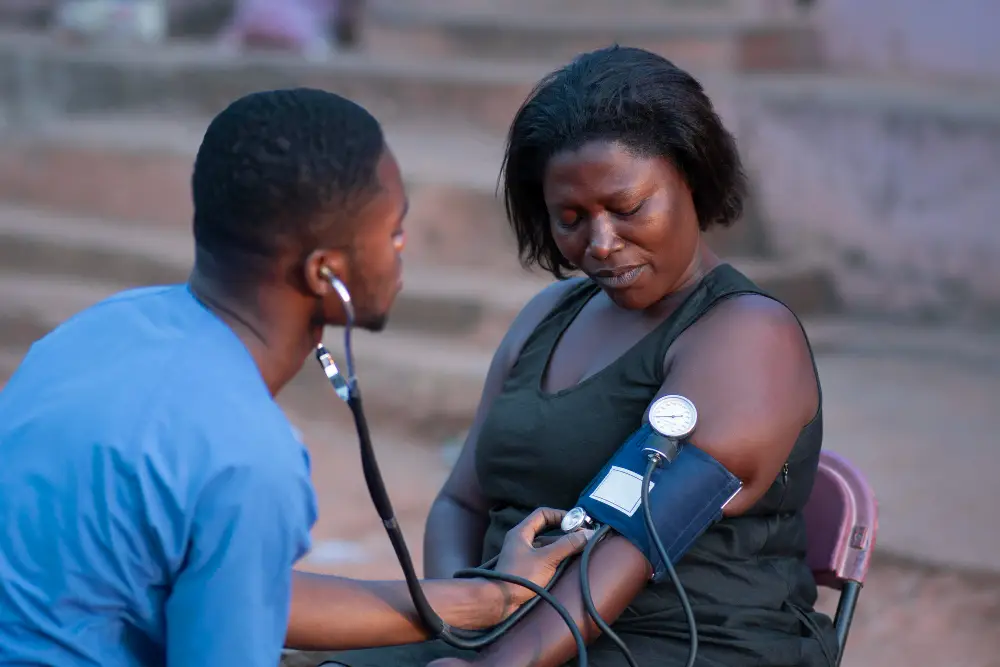
Diagnosis is straightforward: Your doctor will measure your blood pressure on at least two separate occasions using a cuff on your upper arm. Readings of 130/80 mm Hg or higher confirm hypertension. Additional tests may include:
- Blood and urine tests for cholesterol, sugar, and organ function.
- Electrocardiogram (ECG) to check heart rhythm.
- Echocardiogram for heart structure.
- Ambulatory monitoring for 24-hour readings.
Home monitoring is recommended: Use a validated upper-arm cuff, take readings twice daily (morning and evening), and track results. About 1 in 3 U.S. adults with hypertension are unaware they have it.
Complications
Untreated hypertension damages arteries, leading to:
- Heart attack or heart failure.
- Stroke or aneurysm.
- Kidney disease or failure.
- Vision loss.
- Sexual dysfunction.
- Metabolic issues and dementia risk.
Treatment and Management
The goal is to keep blood pressure below 130/80 mm Hg through lifestyle changes and, if needed, medications.
Lifestyle Changes
- Diet: Follow the DASH (Dietary Approaches to Stop Hypertension) plan—rich in fruits, vegetables, whole grains, lean proteins, and low-fat dairy. Aim for less than 1,500 mg sodium daily; boost potassium from bananas, spinach, and potatoes.
- Exercise: Get at least 150 minutes of moderate aerobic activity (like brisk walking) per week, which can lower systolic pressure by 11 mm Hg.
- Weight Management: Losing 1 kg (2.2 lbs) can drop pressure by about 1 mm Hg.
- Limit Alcohol and Quit Smoking: Stick to moderate drinking and avoid tobacco.
- Manage Stress and Sleep: Practice mindfulness and aim for 7–9 hours of sleep nightly.
Medications
If lifestyle changes aren’t enough, visit El-Roi Medical Centre for help with treatment
Prevention
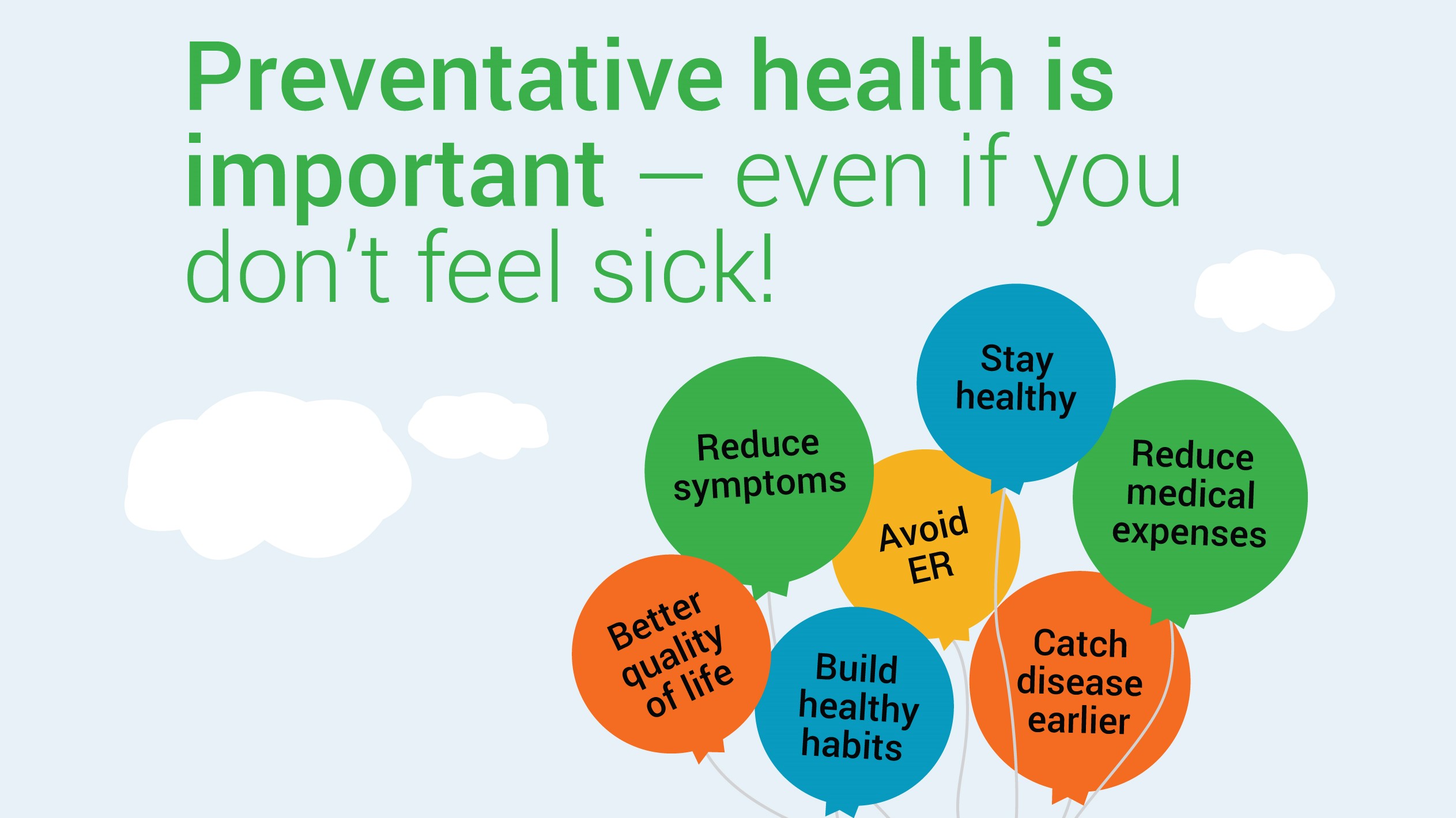
Prevent hypertension by adopting the above lifestyle habits early. Regular check-ups, especially if you’re over 35 or at risk, can catch it before it starts. The World Health Organization notes that modifiable risks like diet and activity account for much of the global burden.
Conclusion
High blood pressure doesn’t have to control your life—with awareness, monitoring, and action, you can take charge. Consult your healthcare provider for personalized advice, and remember: small changes today lead to a healthier heart tomorrow.
Primary Sources: Mayo Clinic, American Heart Association, CDC, WHO. For more, visit Mayo Clinic Hypertension Overview or AHA High Blood Pressure Resources.